
|
|

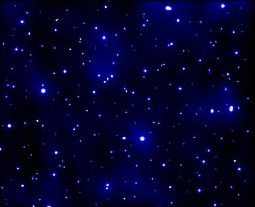
0 - 0,5 billion years: starting out with a very smooth distribution of matter directly after the Big-Bang, gravity of the more massive clumps of stars starts to attract more matter.
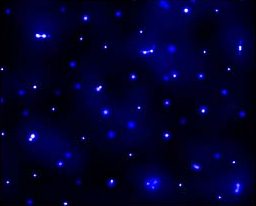
After 0,5 - 1 billion years: larger clumps grow from merging of smaller ones.
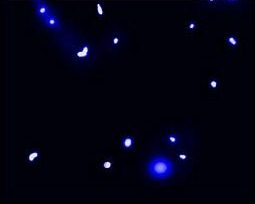
After 1 - 2 billion years: after growing to a fraction of the size of our own Galaxy, the clumps are larger enough for Hubble Space Telescope to see them.
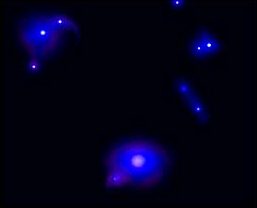
After 2 - 4 billion years: larger irregular looking objects form through collisions and margers between these sub-galactic sized clumps.
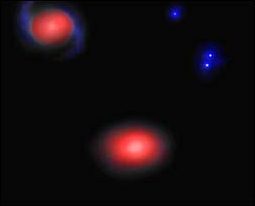
After 4 - 13 billion years: galaxies as we see them today form, and take their final shapes. The elliptical and the spiral galaxies with old red stellar populations in their centers form first, and the spiral galaxy disks form later from infalling surrounding gas.
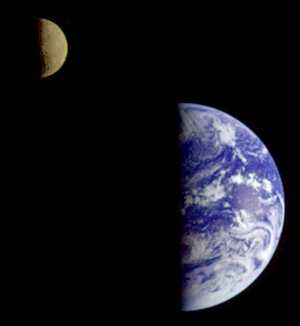
Our Home...
...a small planet which travels around the star we call The Sun...one star among the billion other stars in our own galaxy we call milky way... a galaxy among the billion other galaxies...
